
Real estate drones, also known as UAVs (Unmanned Aerial Vehicles) in the real estate industry, are transforming the way properties are marketed, inspected, and managed. These drones are equipped with advanced technologies that provide aerial views, detailed imagery, and valuable data, enhancing the overall real estate experience for buyers, sellers, and agents. Here’s a detailed description of real estate drones:
Key Features of Real Estate Drones
- Types of Drones:
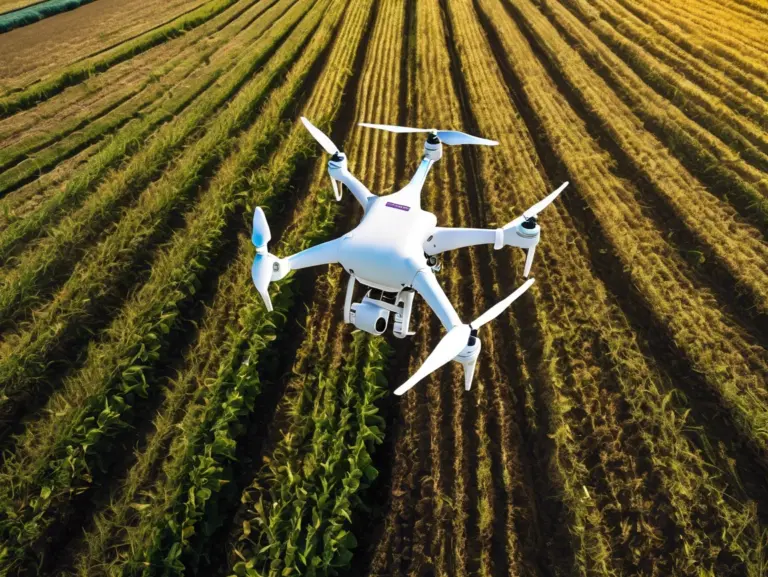
- Photography Drones: Equipped with high-resolution cameras for capturing stunning aerial photos and videos.
- Mapping Drones: Used for creating detailed maps and 3D models of properties and land.
- Inspection Drones: Designed for inspecting hard-to-reach areas of buildings and structures.
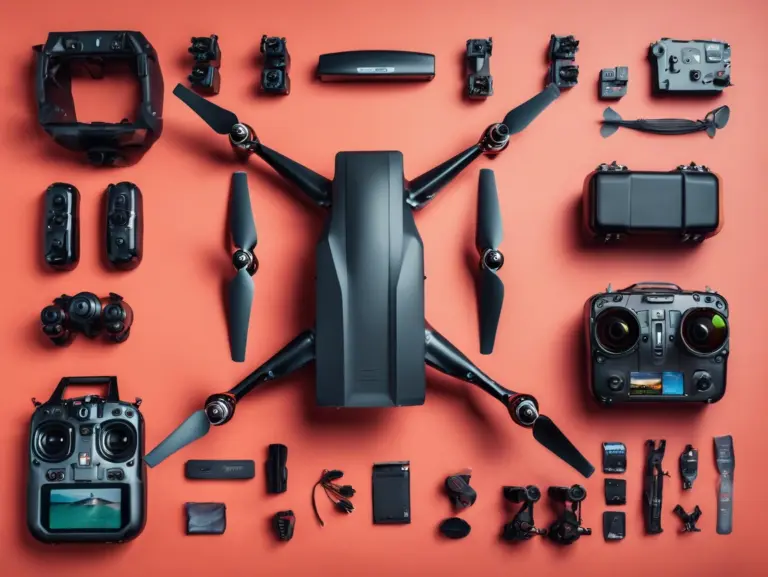
- Technologies and Capabilities:
- High-Resolution Cameras: Capable of capturing detailed images and videos in 4K or higher resolution.
- Stabilization Systems: Gimbals and other stabilization technologies to ensure smooth and clear footage.
- GPS and Navigation Systems: For precise positioning and navigation during flights.
- Autonomous Flight: Pre-programmed flight paths for consistent and efficient data collection.
- Thermal Imaging: Some drones are equipped with thermal cameras for detecting heat leaks and other issues in buildings.
Applications of Real Estate Drones
- Property Marketing:
- Aerial Photography and Videography: Capturing stunning aerial views of properties, showcasing their size, layout, and surroundings.
- Virtual Tours: Creating immersive virtual tours that allow potential buyers to explore properties remotely.
- Highlighting Features: Emphasizing unique features of properties, such as pools, gardens, and scenic views.
- Land and Property Surveys:
- Topographic Mapping: Creating detailed maps of land, including elevation data, to assist in planning and development.
- Boundary Surveys: Accurately mapping property boundaries for legal and planning purposes.
- Building Inspections:
- Roof Inspections: Inspecting roofs for damage, leaks, and wear without the need for ladders or scaffolding.
- Structural Inspections: Examining hard-to-reach areas of buildings, such as facades and high-rise structures, for maintenance and safety assessments.
- Thermal Inspections: Using thermal imaging to detect heat leaks, insulation issues, and electrical problems.
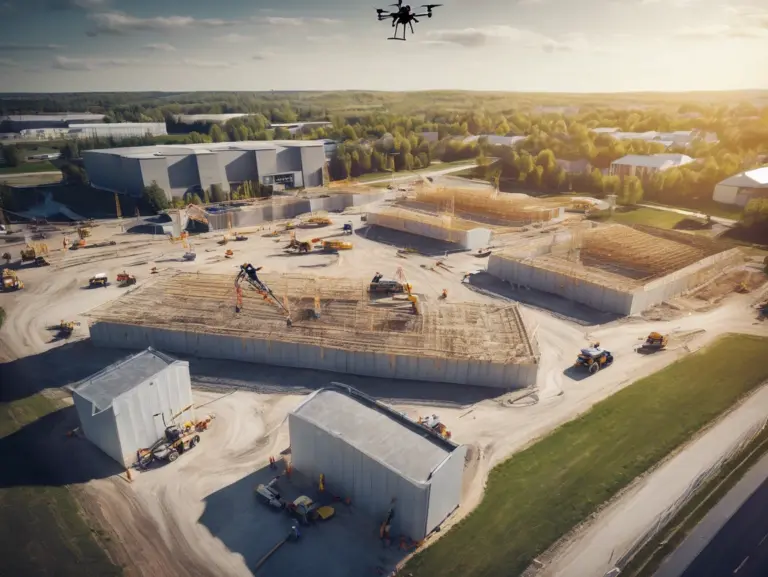
- Construction Monitoring:
- Progress Tracking: Monitoring the progress of construction projects with regular aerial updates.
- Site Management: Managing construction sites more effectively by providing an aerial perspective of the entire site.
Benefits of Real Estate Drones
- Enhanced Marketing: Providing visually appealing and comprehensive views of properties, attracting more potential buyers.
- Increased Efficiency: Reducing the time and cost associated with traditional property inspections and surveys.
- Improved Accuracy: Offering precise data and imagery for better decision-making in property management and development.
- Safety: Minimizing the need for manual inspections in hazardous or hard-to-reach areas.
Challenges and Considerations
- Regulatory Compliance: Ensuring adherence to local and national regulations regarding drone usage, including flight restrictions and licensing requirements.
- Privacy Concerns: Addressing privacy issues related to capturing images and videos of private properties and individuals.
- Initial Investment: The cost of purchasing and maintaining drones and associated software can be significant.
- Technical Expertise: Training operators to effectively use drones and interpret the data they collect.
Future Trends
- Integration with AI: Utilizing artificial intelligence for enhanced data analysis, object recognition, and autonomous operation.
- Advanced Imaging: Incorporating more sophisticated imaging technologies, such as LiDAR and hyperspectral cameras, for detailed property analysis.
- Automation: Increasing automation in drone operations, including autonomous flight and data processing.
- Enhanced Virtual Reality: Combining drone footage with virtual reality to create even more immersive property tours.
Real estate drones are revolutionizing the industry by providing innovative solutions for marketing, surveying, inspecting, and managing properties. As technology continues to advance, the adoption of drones in real estate is expected to grow, offering new possibilities and challenges for real estate professionals worldwide.