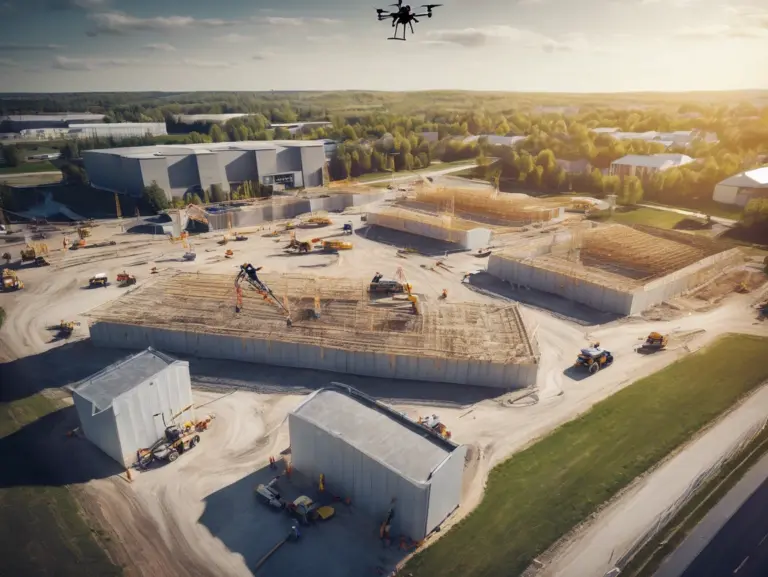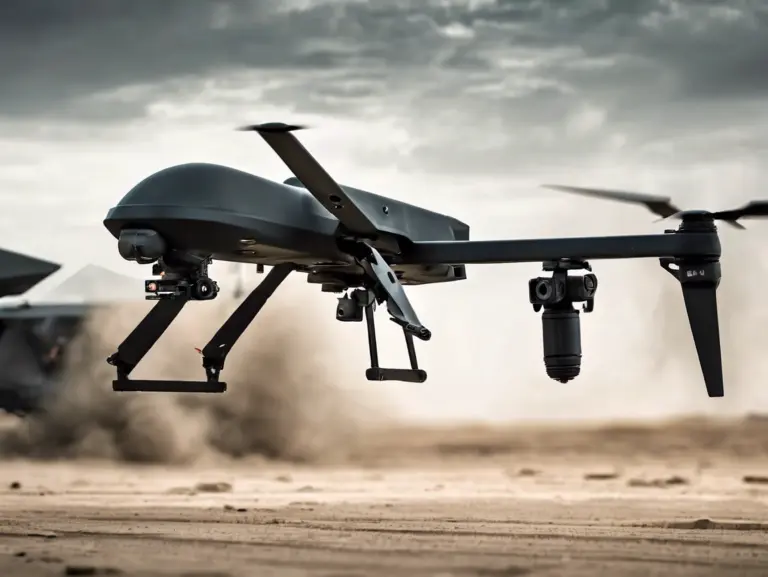

Police drones, also known as law enforcement drones or UAVs (Unmanned Aerial Vehicles), are increasingly being utilized by police departments to enhance public safety, improve operational efficiency, and support various law enforcement activities. These drones are equipped with advanced technologies that enable them to perform a wide range of tasks. Here’s a detailed description of police drones:
Key Features of Police Drones
- Types of Drones:
- Surveillance Drones: Equipped with high-resolution cameras and sensors for monitoring and gathering intelligence.
- Search and Rescue Drones: Designed for locating missing persons and assisting in rescue operations.
- Traffic Monitoring Drones: Used to monitor traffic flow and detect violations.
- Tactical Drones: Small, agile drones used in tactical operations, such as SWAT missions.
- Technologies and Capabilities:
- High-Resolution Cameras: Capable of capturing detailed images and videos for surveillance and evidence collection.
- Thermal Imaging: Allows drones to detect heat signatures, useful for night operations and locating individuals in difficult terrain.
- LiDAR: Provides precise mapping and 3D modeling of environments.
- GPS and Navigation Systems: Ensures accurate positioning and navigation during missions.
- Real-Time Data Transmission: Enables live streaming of video and data to command centers for immediate analysis and decision-making.
Applications of Police Drones
- Surveillance and Monitoring:
- Crowd Control: Monitoring large gatherings and events to ensure public safety and detect potential threats.
- Crime Scene Investigation: Providing aerial views of crime scenes to assist in investigations and evidence collection.
- Border Patrol: Monitoring borders to prevent illegal activities and enhance security.
- Search and Rescue Operations:
- Missing Persons: Locating missing individuals in remote or hazardous areas using thermal imaging and GPS.
- Disaster Response: Assisting in search and rescue efforts during natural disasters, such as floods, earthquakes, and hurricanes.
- Traffic Management:
- Traffic Flow Monitoring: Observing traffic patterns and detecting congestion to improve traffic management.
- Violation Detection: Identifying traffic violations, such as speeding and illegal parking.
- Tactical Operations:
- SWAT Missions: Providing real-time intelligence and situational awareness during high-risk operations.
- Hostage Situations: Monitoring and assessing hostage situations to support tactical planning and execution.
Benefits of Police Drones
- Enhanced Situational Awareness: Providing real-time aerial views and data to improve decision-making and response times.
- Increased Efficiency: Reducing the time and resources required for manual surveillance and inspections.
- Improved Safety: Minimizing risks to officers by performing dangerous tasks remotely.
- Cost-Effective: Lower operational costs compared to traditional methods, such as helicopter surveillance.
Challenges and Considerations
- Regulatory Compliance: Ensuring adherence to local and national regulations regarding drone usage, including privacy laws and flight restrictions.
- Public Perception: Addressing concerns related to privacy and the potential misuse of drones.
- Technical Expertise: Training officers to operate drones and interpret the data they collect effectively.
- Cybersecurity: Protecting drones from cyber-attacks and ensuring secure communication links.
Future Trends
- Integration with AI: Utilizing artificial intelligence for enhanced data analysis, object recognition, and autonomous operation.
- Advanced Sensors: Incorporating more sophisticated sensors for better detection and analysis capabilities.
- Swarm Technology: Developing drone swarms that can operate collaboratively to perform complex missions.
- Miniaturization: Creating smaller, more agile drones for covert operations and urban environments.
Police drones are transforming law enforcement by providing innovative solutions for surveillance, search and rescue, traffic management, and tactical operations. As technology continues to advance, the adoption of drones in policing is expected to grow, offering new possibilities and challenges for law enforcement agencies worldwide.