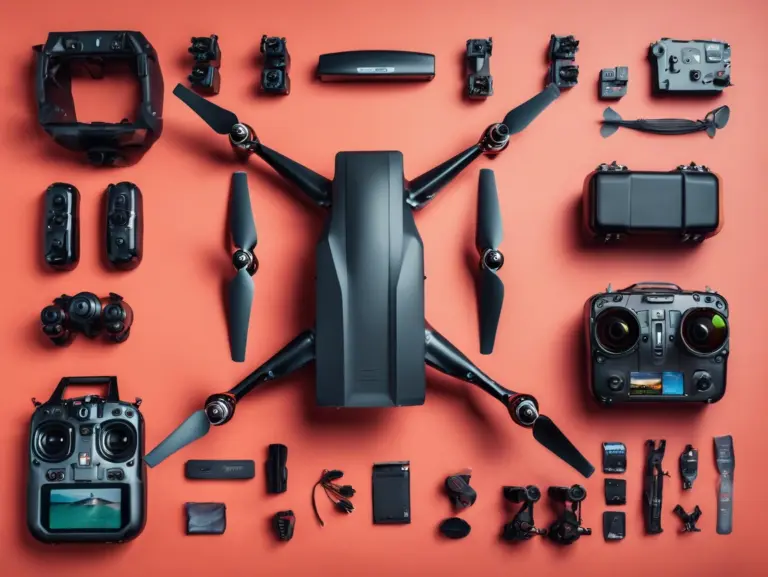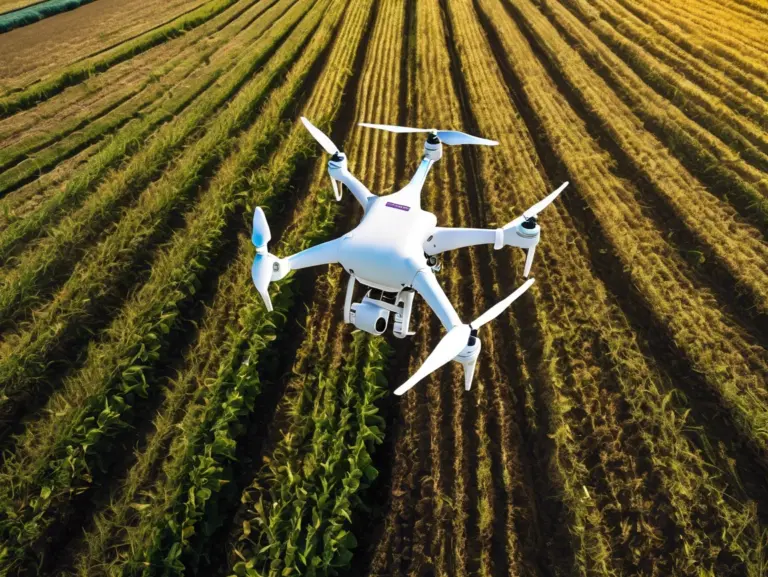

Construction drones, also known as UAVs (Unmanned Aerial Vehicles) in the construction industry, are revolutionizing the way construction projects are planned, monitored, and executed. These drones are equipped with advanced technologies that enhance efficiency, safety, and accuracy in various construction tasks. Here’s a detailed description of construction drones:
Key Features of Construction Drones
- Types of Drones:
- Fixed-Wing Drones: These drones have a wing structure similar to airplanes, allowing them to cover large areas quickly and efficiently. They are ideal for surveying and mapping extensive construction sites.
- Rotary-Wing Drones: Also known as quadcopters or hexacopters, these drones have multiple rotors and can hover in place, making them suitable for detailed inspections and targeted applications.
- Technologies and Capabilities:
- GPS and Navigation Systems: Equipped with GPS for precise navigation and mapping of construction sites.
- Imaging Sensors: High-resolution cameras, LiDAR, and thermal sensors to capture detailed images and data.
- Data Analytics: Software that processes and analyzes data collected by drones to provide actionable insights.
- Autonomous Flight: Advanced drones can perform pre-programmed flight paths autonomously, reducing the need for manual control.
Applications of Construction Drones
- Site Surveying and Mapping:
- Topographic Mapping: Creating detailed 3D maps of construction sites to plan and manage projects more effectively.
- Volume Measurements: Calculating the volume of earthworks, stockpiles, and other materials accurately.
- Progress Monitoring:
- Regular Inspections: Conducting frequent aerial inspections to monitor the progress of construction projects.
- Documentation: Capturing high-resolution images and videos to document the construction process for reporting and compliance.
- Safety and Risk Management:
- Hazard Identification: Identifying potential safety hazards on construction sites, such as unstable structures or hazardous materials.
- Emergency Response: Providing real-time aerial views during emergencies to assist in response and evacuation efforts.
- Infrastructure Inspection:
- Structural Analysis: Inspecting hard-to-reach areas of buildings, bridges, and other structures for damage or wear.
- Thermal Imaging: Using thermal sensors to detect heat leaks, electrical issues, and other problems in infrastructure.
- Precision Construction:
- Site Layout: Assisting in the precise layout of construction sites, including marking boundaries and aligning structures.
- Quality Control: Ensuring that construction work meets design specifications and quality standards.
Benefits of Construction Drones
- Increased Efficiency: Drones can cover large areas quickly, reducing the time and labor required for manual inspections and surveys.
- Cost Savings: By improving accuracy and reducing rework, drones can help lower overall construction costs.
- Enhanced Safety: Drones can access hazardous or hard-to-reach areas, reducing the risk to human workers.
- Improved Accuracy: High-resolution imaging and advanced sensors provide precise data for better decision-making.
Challenges and Considerations
- Regulatory Compliance: Construction companies must adhere to local regulations regarding drone usage, including flight restrictions and licensing requirements.
- Initial Investment: The cost of purchasing and maintaining drones and associated software can be significant.
- Technical Expertise: Operators need training to effectively use drones and interpret the data they collect.
Future Trends
- Automation: Increasing automation in drone operations, including autonomous flight and data processing.
- Integration with BIM: Combining drone data with Building Information Modeling (BIM) for comprehensive project management.
- Advanced Analytics: Enhanced data analytics capabilities for more accurate predictions and recommendations.
- Collaboration with Robotics: Integrating drones with other robotic systems for tasks like material transport and automated construction.
Construction drones are transforming the construction industry by providing innovative solutions for surveying, monitoring, and managing construction projects. As technology advances, the adoption of drones in construction is expected to grow, driving efficiency, safety, and accuracy in the industry.