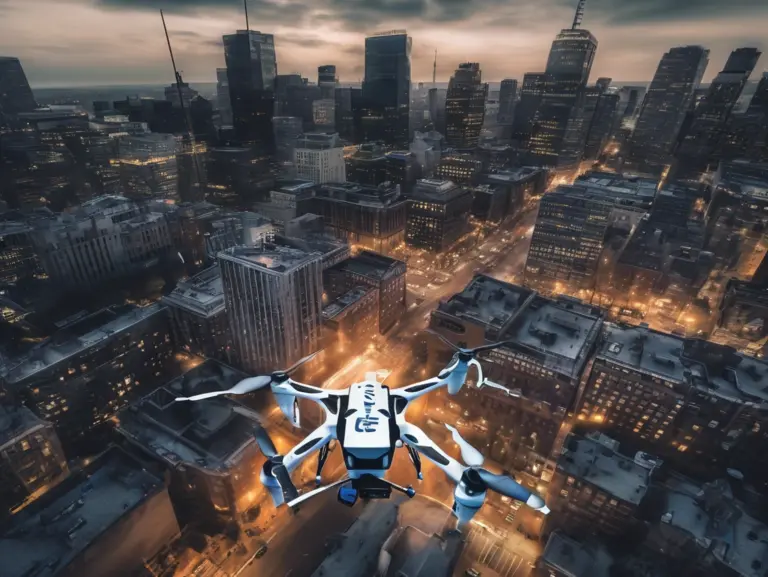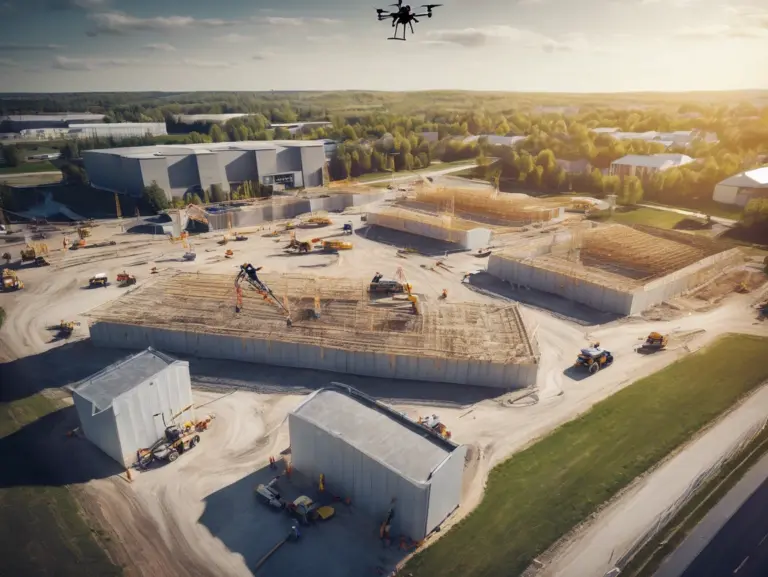

Military drones, also known as Unmanned Aerial Vehicles (UAVs) or Unmanned Aircraft Systems (UAS), are a critical component of modern military operations. These drones are designed for a variety of missions, including surveillance, reconnaissance, target acquisition, and even combat. Here’s a detailed description of military drones:
Key Features of Military Drones
- Types of Drones:
- Reconnaissance Drones: Used primarily for surveillance and intelligence gathering. Examples include the RQ-4 Global Hawk and the MQ-9 Reaper.
- Combat Drones: Equipped with weapons for offensive operations. Examples include the MQ-1 Predator and the MQ-9 Reaper.
- Logistics Drones: Used for transporting supplies and equipment to remote or dangerous locations.
- Decoy Drones: Designed to mimic manned aircraft or other drones to confuse enemy defenses.
- Technologies and Capabilities:
- Advanced Sensors: Equipped with high-resolution cameras, infrared sensors, radar, and LiDAR for detailed imaging and data collection.
- Stealth Technology: Some drones are designed with stealth features to avoid detection by enemy radar.
- Autonomous Operation: Capable of performing missions autonomously with minimal human intervention.
- Communication Systems: Secure and reliable communication links for real-time data transmission and remote control.
Applications of Military Drones
- Surveillance and Reconnaissance:
- Intelligence Gathering: Collecting real-time data and imagery to support military operations and strategic planning.
- Border Patrol: Monitoring borders to detect and prevent illegal activities and incursions.
- Maritime Surveillance: Monitoring naval activities and securing maritime borders.
- Combat Operations:
- Target Acquisition: Identifying and designating targets for precision strikes.
- Close Air Support: Providing aerial support to ground troops during combat operations.
- Strategic Bombing: Conducting precision strikes on high-value targets.
- Search and Rescue:
- Disaster Response: Assisting in search and rescue operations during natural disasters or humanitarian crises.
- Combat Search and Rescue: Locating and rescuing downed pilots or personnel in hostile environments.
- Logistics and Supply:
- Aerial Resupply: Delivering supplies, ammunition, and medical equipment to troops in remote or dangerous locations.
- Evacuation: Transporting injured personnel from the battlefield to medical facilities.
Benefits of Military Drones
- Increased Safety: Reducing the risk to human pilots and personnel by performing dangerous missions remotely.
- Enhanced Surveillance: Providing continuous and detailed surveillance capabilities that manned aircraft cannot match.
- Cost-Effective: Lower operational costs compared to manned aircraft, including reduced fuel consumption and maintenance.
- Operational Flexibility: Capable of performing a wide range of missions, from surveillance to combat, with minimal reconfiguration.
Challenges and Considerations
- Regulatory Compliance: Ensuring adherence to international laws and regulations regarding the use of drones in military operations.
- Ethical Concerns: Addressing ethical issues related to the use of autonomous systems in combat and surveillance.
- Cybersecurity: Protecting drones from cyber-attacks and ensuring secure communication links.
- Operational Limitations: Dealing with limitations such as battery life, range, and payload capacity.
Future Trends
- Swarm Technology: Developing drone swarms that can operate collaboratively to perform complex missions.
- Artificial Intelligence: Integrating AI for enhanced autonomous operation, decision-making, and target recognition.
- Miniaturization: Creating smaller, more agile drones for covert operations and urban warfare.
- Hybrid Systems: Combining drones with other unmanned systems, such as ground robots, for integrated operations.
Military drones are transforming the landscape of modern warfare by providing unparalleled capabilities in surveillance, combat, and logistics. As technology continues to advance, the role of drones in military operations is expected to expand, offering new possibilities and challenges for defense forces worldwide.